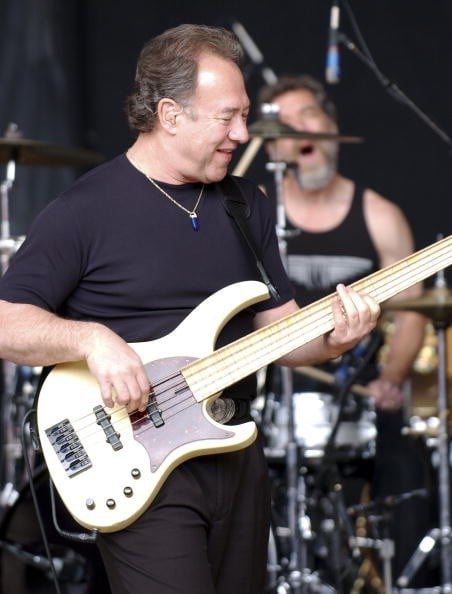
Stu Cook Net Worth: How CCR and Smart Investments Built His $20M Fortune
Stu Cook, a name synonymous with the foundational rhythms of Creedence Clearwater Revival (CCR), has carved out an indelible legacy in rock music. Beyond his iconic basslines that anchored some of the late 60s and early 70s' most enduring anthems, Cook has also demonstrated a shrewd business acumen, culminating in an estimated
Stu Cook net worth of $20 million. This impressive figure isn't merely a testament to his musical genius but also a reflection of strategic financial planning, savvy real estate investments, and a keen understanding of how to maintain relevance in a constantly evolving industry.
For fans and financial enthusiasts alike, understanding the pillars of Stu Cook's fortune offers a compelling case study in wealth creation for artists. It highlights how a legendary music career, coupled with intelligent diversification, can secure a substantial financial future. From the electrifying stages of CCR to the more recent ventures like Creedence Clearwater Revisited and a newly announced solo project, Cook’s journey is a masterclass in turning artistic passion into lasting prosperity.
The Rhythmic Foundation: Stu Cook's Musical Journey and Earnings
Born Stuart Alden Cook in Oakland, California, in 1945, Stu Cook's path to musical stardom began with a rigorous education at San Jose State University. However, it was his undeniable talent for the bass guitar that would ultimately define his career. In 1967, alongside John Fogerty, Tom Fogerty, and Doug Clifford, Cook co-founded Creedence Clearwater Revival, a band that would quickly ascend to the pantheon of rock legends.
CCR's distinctive "swamp rock" sound, a fusion of rockabilly, blues, and country influences, produced a string of timeless hits such as "Proud Mary," "Bad Moon Rising," and "Fortunate Son." These tracks didn't just top charts; they became anthems for a generation, soundtracking everything from Vietnam War protests to countless road trips. The band's immense popularity translated into massive record sales, sold-out tours, and significant royalties, laying the initial financial groundwork for Cook and his bandmates. The sheer volume of CCR's output and the sustained demand for their music ensured a robust income stream during their active years.
Following CCR's amicable, yet impactful, disbandment in 1972, Stu Cook continued his musical endeavors. A significant chapter in his post-CCR career was the formation of Creedence Clearwater Revisited with fellow original member Doug Clifford. This group wasn't merely a tribute band; it was a continuation of the CCR legacy, performed by two of its original architects. Touring extensively, Creedence Clearwater Revisited brought the classic CCR sound to new and old fans alike, ensuring a steady stream of performance income and keeping the catalog alive and relevant for decades. This strategic move proved invaluable, demonstrating how artists can continue to generate substantial revenue by honoring their past while actively participating in its presentation.
Furthermore, Cook's musical contributions extend to ongoing royalty payments from CCR's enduring catalog. The timeless nature of their hits means they are continually streamed, licensed for film and television, and purchased by new generations of listeners. Each play, each sync license, and each re-release contributes to an evergreen income, cementing his financial standing. The announcement of a new solo project in 2024 further underscores his ongoing artistic engagement and potential for new revenue streams. For a deeper dive into his diverse financial tapestry, you might find
Unveiling Stu Cook's $20 Million Fortune: CCR Legacy & Smart Moves particularly insightful.
Beyond the Bassline: Stu Cook's Astute Financial Strategies
While his musical prowess is undeniable, a substantial portion of Stu Cook's $20 million net worth can be attributed to his astute business sense, particularly in real estate. Cook has demonstrated a clear understanding of investment diversification, recognizing that even a successful music career benefits from a well-rounded financial portfolio.
One of the most publicized examples of his financial acumen was the sale of his luxurious Sarasota, Florida, home for an impressive $9.795 million. This Mediterranean-inspired property, situated in the exclusive San Remo Terrace area, boasted high-end amenities including a private dock, reflecting a taste for premium assets. This sale wasn't just a transaction; it represented a significant capital gain, indicative of a strategic investment made years prior.
The Power of Strategic Real Estate Investment
Cook's real estate move highlights several critical investment principles:
*
Location, Location, Location: Choosing properties in desirable, appreciating markets like Sarasota.
*
Premium Assets: Investing in high-value, unique properties that appeal to a niche, affluent market.
*
Long-Term Vision: Real estate often requires patience, allowing properties to appreciate over time.
For any individual building wealth, the lesson from Cook's real estate ventures is clear: diversification into tangible assets like property can provide stability and significant returns, often counterbalancing fluctuations in other income streams. This move showcases a sophisticated approach to wealth management, extending far beyond the typical artist's portfolio.
The $20 Million Question: Deconstructing Stu Cook's Net Worth
Estimating an individual's net worth is always a complex endeavor, blending publicly available information with industry insights. However, the $20 million figure attributed to Stu Cook is widely accepted, primarily due to the confluence of his well-documented musical career and visible high-value asset transactions.
The core components contributing to his wealth include:
*
Music Royalties: Ongoing income from CCR's vast catalog, encompassing mechanical, performance, and synchronization royalties.
*
Touring Income: Significant earnings from years of extensive touring with Creedence Clearwater Revisited.
*
Real Estate Investments: Capital gains from the strategic buying and selling of high-value properties, like the Sarasota home.
*
Other Investments: While specific details are private, it's reasonable to assume a portfolio diversified into stocks, bonds, or other private equity, managed by financial advisors.
Stu Cook's enduring influence means that CCR's music continues to resonate with new generations, ensuring a steady stream of income through digital streaming platforms, re-issues, and licensing for new media. This "evergreen" quality of his musical legacy is a foundational element of his continued financial success. His ability to adapt and maintain relevance in the ever-changing music landscape underscores both his artistic and business savvy. For more detailed insights into how these factors coalesce, consider reading
Stu Cook's Financial Empire: Music, Real Estate, and a $20 Million Net Worth.
Lessons from Stu Cook: Financial Wisdom for Creative Minds
Stu Cook's journey from rock bassist to a multi-millionaire offers valuable lessons not just for musicians, but for anyone looking to build lasting wealth:
1.
Diversify Your Income: Relying solely on one source of income, even a successful one, can be risky. Cook’s move into real estate provided a crucial alternative stream.
2.
Protect Your Intellectual Property: For artists, understanding and managing royalties, publishing rights, and master recordings is paramount to long-term financial security.
3.
Maintain Relevance: Continuously engaging with your audience and catalog, as Cook did with Creedence Clearwater Revisited, ensures sustained interest and income.
4.
Strategic Investing: Look for opportunities beyond your primary industry. Real estate, managed wisely, can be a powerful wealth accelerator.
5.
Seek Professional Guidance: A net worth of $20 million doesn't manage itself. Working with experienced financial advisors, estate planners, and legal counsel is crucial for growth and preservation.
Stu Cook’s financial success isn't an overnight phenomenon; it's the culmination of decades of hard work, artistic contribution, and intelligent decision-making. His ability to integrate his passion for music with sound financial principles sets a benchmark for artists aiming for both creative and economic longevity.
Conclusion
Stu Cook stands as a monumental figure in rock history, his basslines forming the bedrock of Creedence Clearwater Revival's iconic sound. Yet, his legacy extends far beyond the stage. With an estimated net worth of $20 million, Cook exemplifies the power of strategic financial planning, demonstrating how astute real estate investments and ongoing management of a legendary music catalog can build significant, enduring wealth. His story is a compelling testament to the fact that artistic genius, when paired with sound business acumen, can indeed create a fortune that resonates as powerfully as the music itself. As fans continue to celebrate the timeless hits of CCR, Stu Cook remains not only a musical icon but also an inspiration for financial foresight in the creative world.